Smartphone Mockup Review
First Impressions of Smartphone Mockup
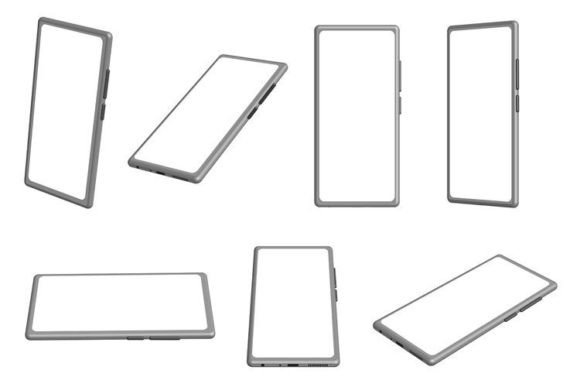
When I first laid eyes on the Smartphone Mockup, it immediately caught my attention with its clean, modern aesthetic. The design is presented in a 3D rendering style, featuring a variety of positions and perspectives that make it feel dynamic and versatile. The gray and metallic color palette gives it a professional, sleek look that’s perfect for UI UX interface design or digital product previews.
The layout is well-organized, with a strong visual hierarchy that makes it easy to understand at a glance. The level of detail is impressive, especially considering it's meant for use in embroidery projects. It has a minimalist yet sophisticated personality that feels right at home in both commercial and handmade settings.
Real-Life Use Cases for Smartphone Mockup
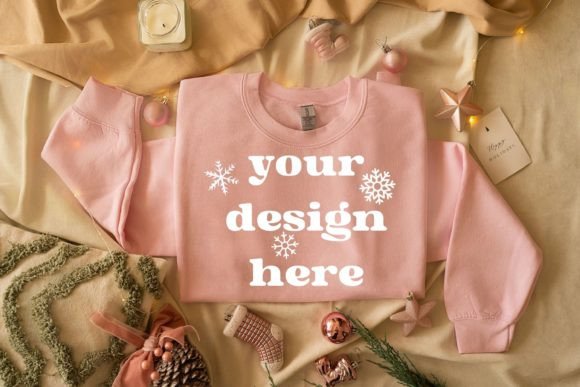
I imagine using the Smartphone Mockup on a custom embroidered tote bag for a small business owner looking to add a modern touch to their merchandise. The design would stand out on a light-colored fabric, making it ideal for a craft fair or Etsy listing. It could also work well as a sweatshirt embroidery, especially for a tech-savvy audience.
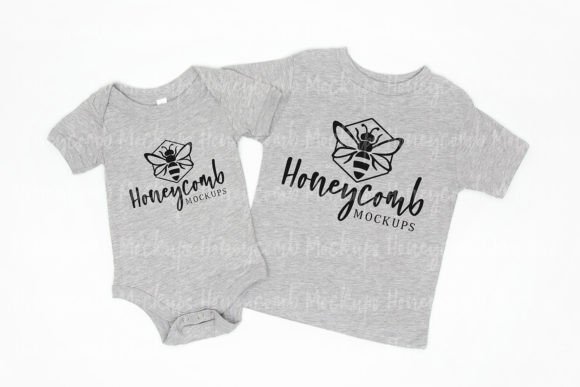
For baby items, the clean lines and neutral tones make it a safe choice that parents would appreciate. A smartphone mockup on a baby onesie or a blanket could be a thoughtful, personalized gift. Similarly, it could serve as an embroidered patch for a cap or jacket, adding a subtle but stylish element to casual wear.
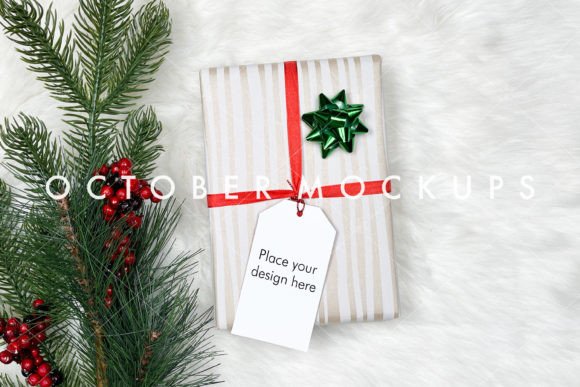
In the realm of holiday gifts, the design could be used on a pillow cover or kitchen towel, offering a unique twist on traditional seasonal decor. Its versatility makes it suitable for both personal and commercial embroidery projects, whether you're creating a handmade product for your own shop or designing for a client.
Challenges and Considerations
While the Smartphone Mockup is visually appealing, there are a few things to keep in mind when using it in real embroidery situations. For instance, if you're working with a small hoop size, the intricate details might be challenging to stitch accurately. You’ll need to ensure that the design is scaled appropriately to fit within your machine’s capabilities.
Textured fabrics, thin materials, or stretchy garments can also affect how the design looks after stitching. The smoothness of the fabric plays a role in how the stitches appear, so it’s important to test the design on scrap fabric before committing to a final project. Dark fabrics may require a different thread color to ensure visibility, while layered garments might need extra stabilizer to prevent puckering or distortion.
Curved surfaces like caps or hats can be tricky when it comes to stitching. The design might not lie flat as intended, which could affect the overall appearance. Similarly, areas with tiny lettering or dense stitch patterns should be carefully reviewed to avoid overcrowding or loss of detail.
Impact on Visual Appeal and Customer Perception
The Smartphone Mockup has the potential to elevate the visual appeal of any embroidery project. Its clean lines and modern look can make a finished product stand out in a crowded market. When used effectively, it adds a sense of professionalism and polish that customers often associate with high-quality handmade items.
From a customer perspective, the design can enhance the perceived value of a product. A well-executed embroidery project using the Smartphone Mockup can increase customer trust and encourage repeat purchases. It also plays a role in brand consistency, especially for businesses that rely on visual identity across their merchandise.
As a designer, I find that the way a design translates from digital to physical is crucial. The Smartphone Mockup seems to handle this transition well, but it’s always wise to test it in black and white mockups to see how it performs without color. Comparing it against both light and dark fabric backgrounds can help determine the best thread color options for maximum visibility.
Practical Tips for Using Smartphone Mockup
If you’re planning to use the Smartphone Mockup in your embroidery projects, here are a few practical tips to keep in mind:
- Test on scrap fabric first to see how the design looks and behaves on your chosen material.
- Check thread color contrast to ensure the design stands out on the fabric you’re using.
- Review stitch density to avoid over-stitching or under-stitching, which can affect the final outcome.
- Confirm hoop size to make sure the design fits comfortably without being stretched or distorted.
- Inspect small details to ensure they remain clear and visible after stitching.
- Test it in black and white mockups to evaluate its clarity and readability without color.
- Compare light and dark fabric backgrounds to choose the best thread color for your project.
- Use proper stabilizer to prevent puckering or shifting during the embroidery process.
- Check whether the design works for both personal and commercial projects to ensure it meets your needs.
- Confirm licensing before selling finished items or digital products to avoid legal issues.
Final Thoughts on Smartphone Mockup
The Smartphone Mockup is a versatile design that can fit into a wide range of embroidery projects. Whether you're an Etsy seller, a small shop owner, or a creative entrepreneur, it offers a professional and modern look that can enhance your product offerings.
Its clean aesthetic and detailed presentation make it a great asset for digital product previews, printable mockups, and design assets. However, like any embroidery file, it requires careful consideration of factors like fabric type, hoop size, and stitch density to ensure the best results.
Overall, the Smartphone Mockup is a solid choice for designers looking to add a touch of sophistication to their handmade products, custom apparel, or commercial embroidery projects. With the right approach, it can become a valuable addition to your design toolkit.